
The French Open
Top WTA women all-in on 15-minute media boycott

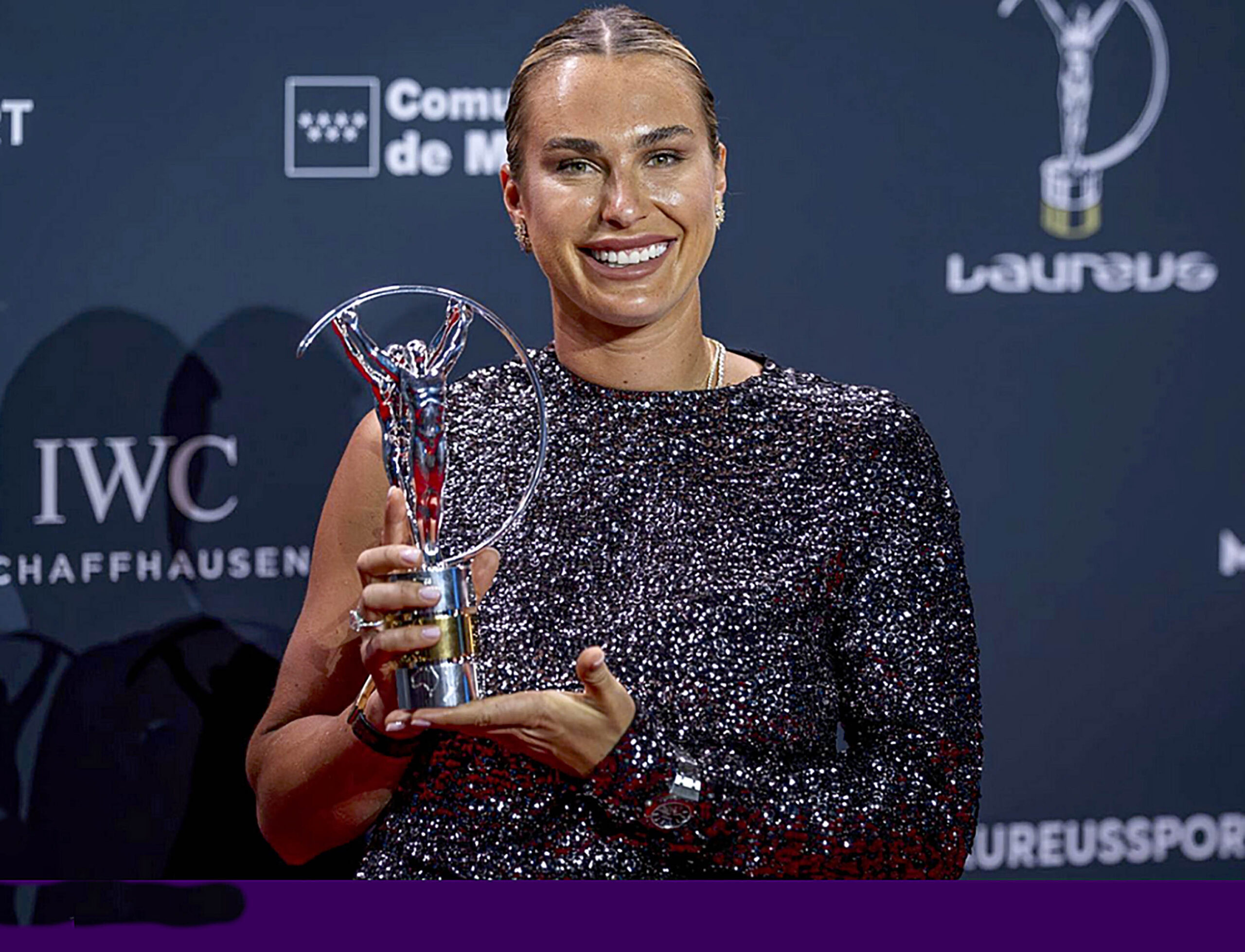
World No. 1 Aryna Sabalenka and four-time Roland Garros winner Iga Swiatek on Friday threw their support behind the boycott of mainly international tennis TV underway at the Paris Grand Slam.
Sabalenka explained her support of a player protest to the four majors, which distribute less than 20 per cent of tournament taking to their athletes, a figure well below other sports and a major cause of dis-satisfaction.
The boycott is designed to bring Roland Garros bosses – and others from the Grand Slams – to the negotiating table and will hit hardest at international TV rights holders who have paid millions for access to competitors during the tournament.
“As the World No. 1, I feel I have to stand up and to fight for those players, for lower-level players, for players who are coming back after injuries, the upcoming generation,” Sabalenka said.
“Our point is pretty clear and pretty fair to everyone. That’s what we are all about.”
Plans for the protest action took shape last week at the Rome Masters, with ATP No. 1 Jannik Sinner joining in the cause.
Sabalenka kept her tone light, but firm, as she explained player thinking on the issue.
“We wanted to do it (the boycott) in a respectful way at the beginning, and
you guys (media) know how much we respect you and we appreciate you.
“It’s not your decision, it’s not about you. It’s just we are trying to fight for a fair percentage.”
Sabalenka let her pre-event media on Friday run long (10 minutes was designated for print media, 5 for T) and said she is not sticking to an actual schedule.
“I’m not on the clock, but we just wanted, you know, to make our point, and we are united, and 15 minutes better than 0,
“I’m here to talk to you because I have my respect to you guys. I guess we just do 10 minutes here and 5 minutes – what is the 5 minutes that we did, World Feed? That’s it.”
Third-ranked Swiatek, winner of four of the last six Paris editions, echoed the logic of Sabalenka but added that she is maintaining the 15-minute limit for her media conferences.
“We will do more (for the event) when the tournament will do more for us. Not only us, the top players, but for also the lower-ranked players and the whole
structure.
“This is the decision that we made, and we will follow it.”
The Pole added: “It’s hard to know what’s gonna happen in the next weeks. It
also depends on how the tournaments will react.
“We want to push a bit more to get what we need and to get the tournaments
being more open for the conversations.”




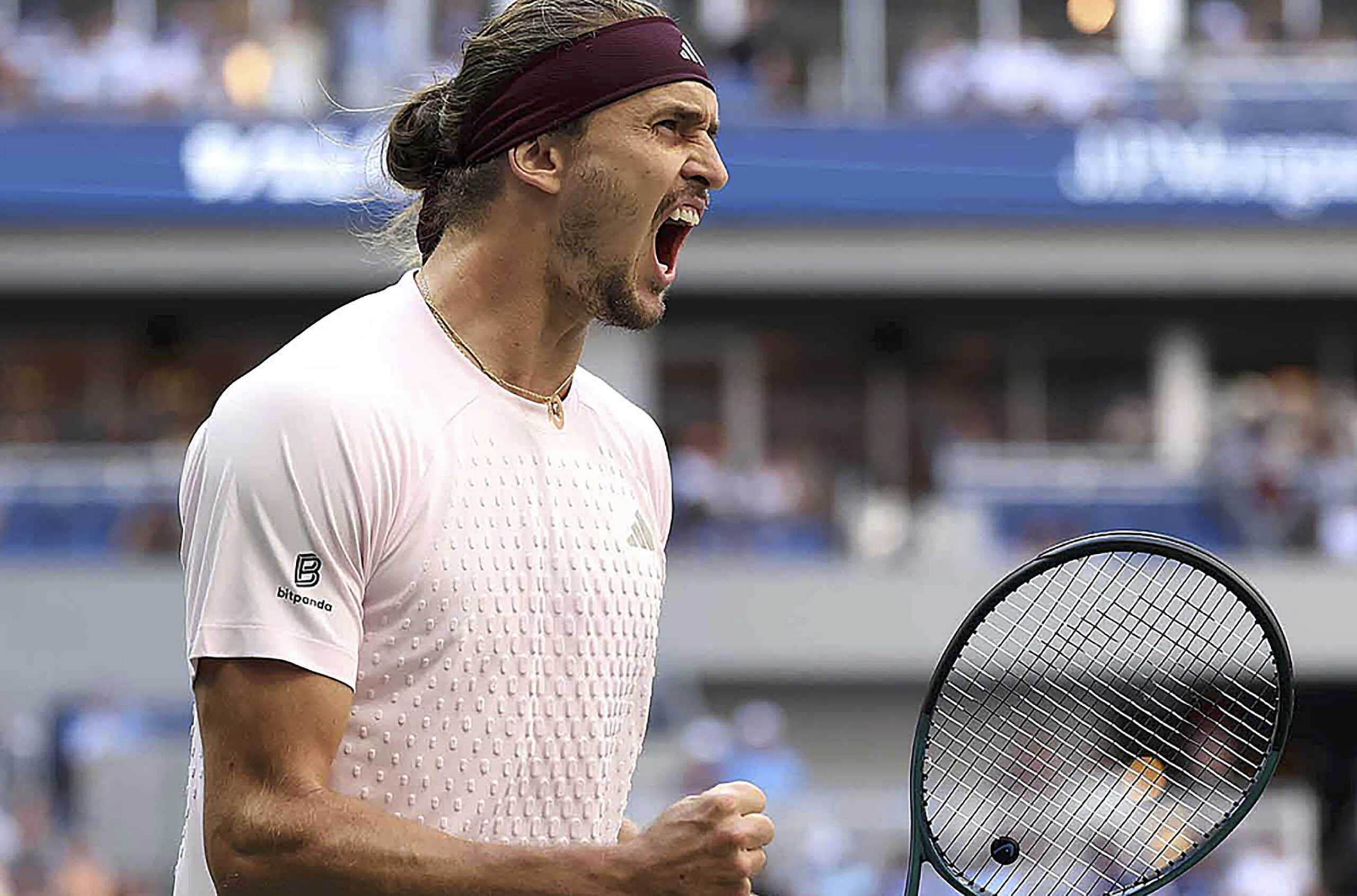
Alexander Zverev on Thursday made a long-sought after return to the Shanghai Masters semi-finals, booking his first final four at the event since 2019, defeating Alex de Minaur 6-4, 6-4.
The 2027 year-end No. 1 last got this far as the Covid pandemic began to surface in China in 2019. The event was not played 2020-2022, with the German making modest progress here over the past three editions since resumption.
After winning his 62nd match of the season, the 29-year-old was pleased with his performance.
“I think it was a huge step up. From just being on the court I felt both of us were playing really well.
“I was, a lot of the time, outhitting Alex, which is difficult to do from the baseline because he is so fast and he loves this kind of court speed here.
“I felt good and I’m happy with the step up from the past couple of matches.”
Zverev advanced in 78 minutes, sending over 10 aces as he defeated the Australian for the ninth time in their 13 matches.
Added the reigning Roland Garros and Flushing Meadows Grand Slam champion: “I’ve been handling pressure quite okay this year. In a way you play a bit more relaxed.
“Once Jannik (SInner) unfortunately announced he won’t play for the rest of the year, I’m 4,000 points ahead of everyone else, so I trust myself enough that I’m going to win [enough matches].
Zverev will play for the final to wrap up the Asian swing as he takes on Spain’s Alejandro Davidovich Fokina, who advanced when Arthur Gea quit their quarter-final with injury.
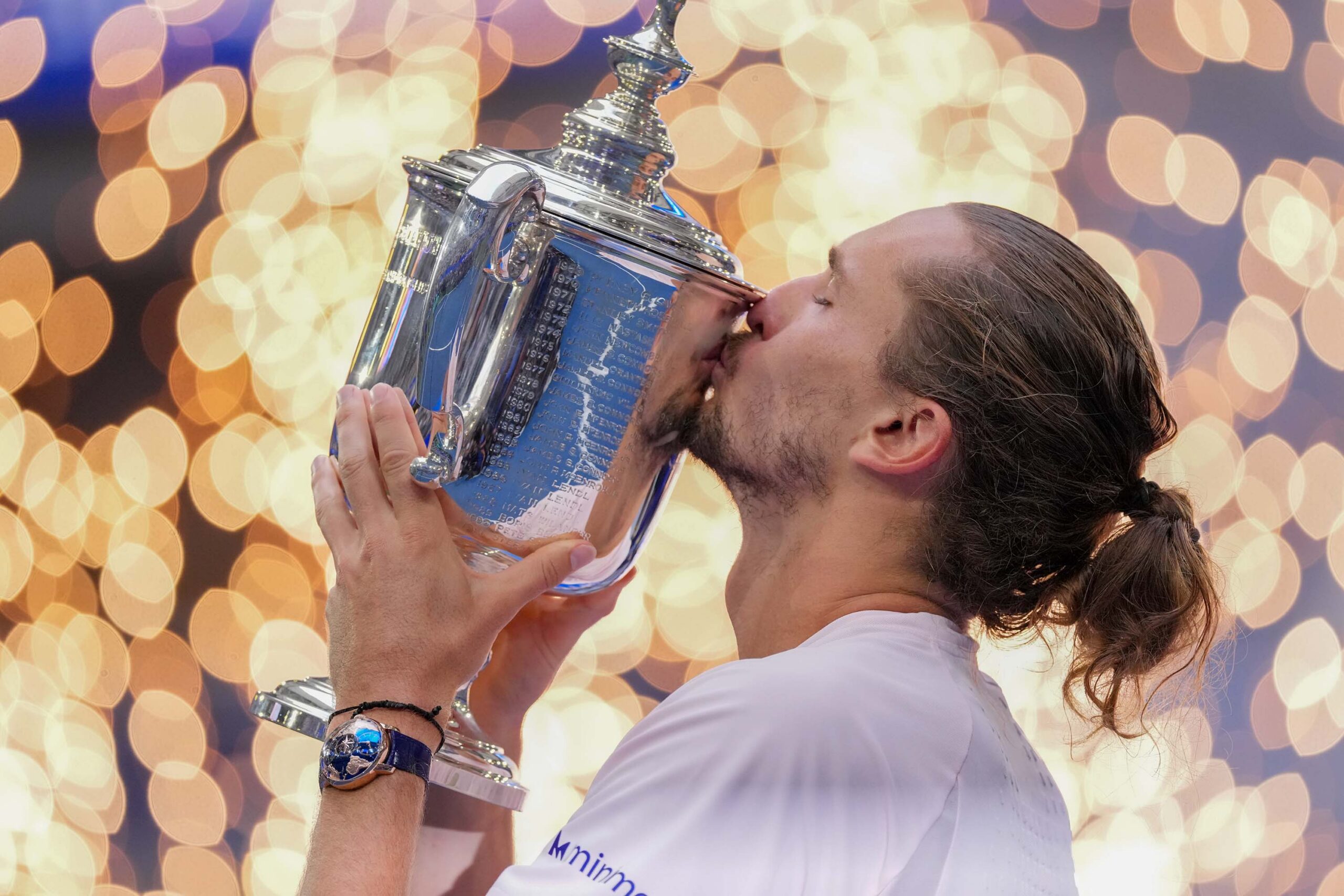
Alexander Zverev will claim world year-end No. 1 honours for the first time on the back of two Grand Slam titles and a final this season.,
The ATP confirmed the changing of the guard as current No. 1 Jannik Sinner ended his season early last week due to a knee injury which has kept him off court since winning Wimbledon three months ago.
Zverev won Roland Garros and US Open trophies and lost to Sinner in the All England Club final.
His reign at the top will begin after the ATP Final in Turin with the ranking period starting on November 23.
Zverev will be 29 years, 217 days old on the date, three days older than Andre Agassi in 1999 (29 years, 214 days).
Main photo:- Alexander Zverev by ISF Ltd
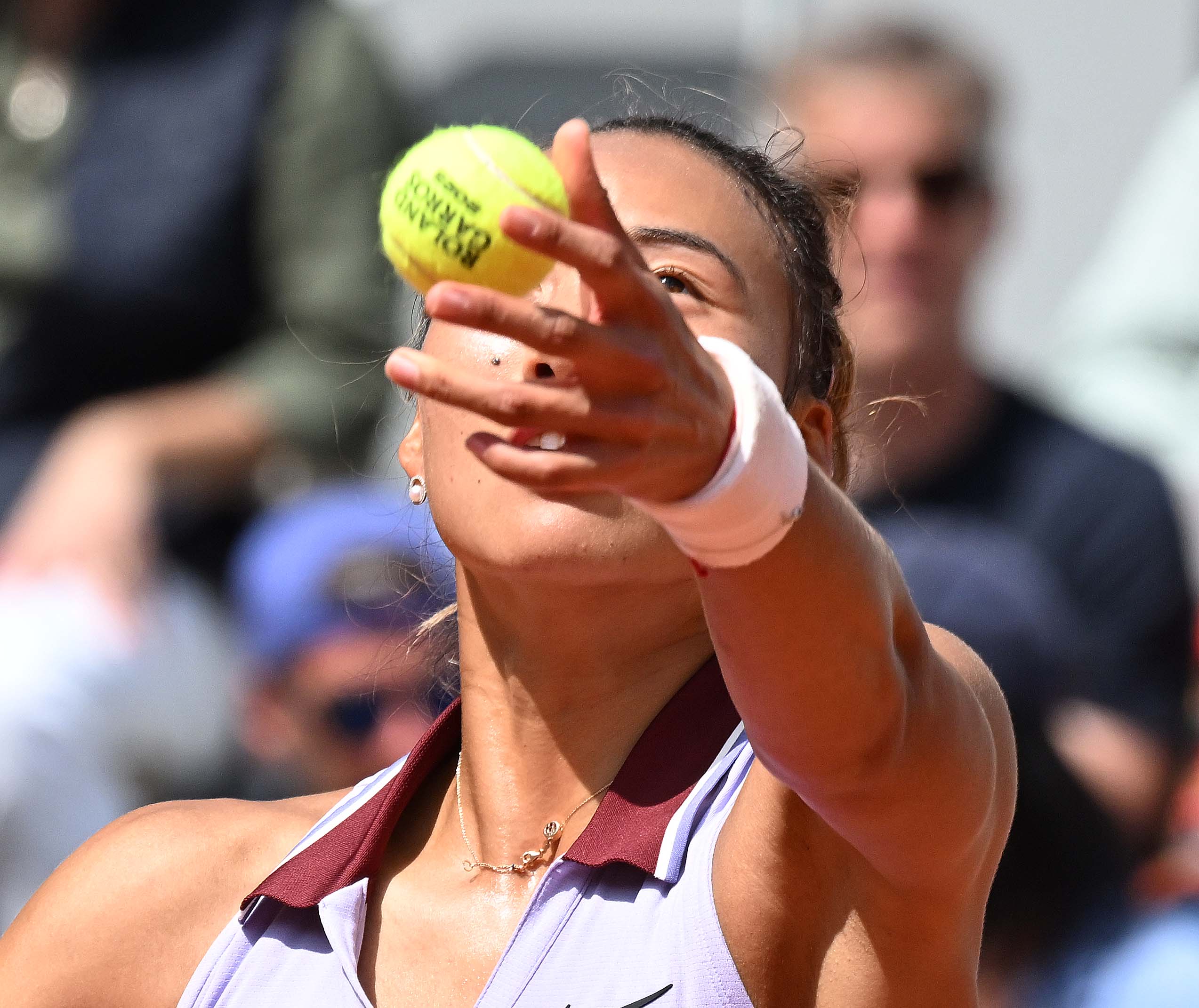
Zheng Qinwen continued an injury comeback season on Sunday, defeating Roland Garros winner Mirra Andreeva 7-5, 6-4 to win the China Open.
Victory at the 1000-level event was the first trophy for the 54th-raked Chinese player who once reached fourth in the world before elbow surgery.
Zheng saved three set points in the opening set and claimed victory by winning the last 11 points of the set, breaking late in the second to conclude her success over her teenaged opponent.
The winner now owns six career trophies after winning her first 1000; she last claimed a title in Tokyo two years ago.
In an odd twist, the new winner was cajoled into singing a few bars of karaoke during the trophy ceremony.
She will now move back into the ranking top 25 while Andreeva advances to third in the world behind Elena Rybakina and Aryna Sabalenka after defeating her third top 10 opponent this season.
“The feeling was incredible, two weeks here in Beijing, in front of my home crowd is one of my dreams, especially playing against Mirra, such a great player,” the winner said.
“I’ve been through a very, very tough year.”
Andreeva broke new ground in her own career by reaching the final, becoming the third-youngest this century to reach the top 3 behind Maria Sharapova and Kim Clijsters.
“She’s a great server. I also think today I missed a lot of returns trying to go for it, trying to be more aggressive,” Andreeva said,
“I wanted to go for it but couldn’t really find I guess the margin, couldn’t really find the rhythm, as well. I will probably need to look at this match and just see why, try to improve and learn from that.
“Overall of course it was a good tournament,” she added. “A lot of positives to take from these two weeks. Of course, I felt like today just wasn’t meant to be.
“I think I will be able to look to this match maybe from a different perspective and see maybe some good things.”
Main photo:- Zheng Quinwen by ISF Ltd


Zverev scratches 7-year itch with return to Shanghai SF

Tenth time lucky as Li knocks out Sabalenka

Zverev celebrates No. 1 status with Shanghai QF


-
 Beijing2 weeks ago
No. 1 and 2 seeds ousted in Beijing WTA
-
 ATP2 weeks ago
Bu hoo for China as Djokovic outlasts a local
-
 ATP3 weeks ago
Italian media fear Sinner may need surgery
-
 ATP2 weeks ago
Djokovic reaches 7th Beijing final as Medvedev DQ’d
-
 ATP2 weeks ago
Djokovic untouchable after 30th win in Beijing
-
 ATP1 week ago
Alcaraz beats Lehecka to triumph in Tokyo
-
 ATP1 week ago
Djokovic backs into 7th Beijing title as injured de Minaur quits
-
 Billy Jean King Cup3 weeks ago
Czechs charge to BJK Cup title